Best Action Cameras 2026
We tested action cameras from GoPro, DJI, Insta360, and Sony to find the top picks for adventure, vlogging, and everyday use in 2026.
Action cameras in 2026 shoot better video than pro camcorders did five years ago. 5.3K, 10-bit color, HLG HDR — all in something the size of a matchbox. The hard part isn't finding a good one; it's figuring out which good one matches what you actually do with it.
I took five cameras on a week of mountain biking, hiking, and swimming. Some held up better than others.
Quick comparison
| Camera | Max Resolution | Stabilization | Waterproof | Price |
|---|---|---|---|---|
| GoPro Hero 13 Black | 5.3K@60fps | HyperSmooth 7.0 | 33ft (10m) | $400 |
| DJI Osmo Action 5 Pro | 4K@120fps | RockSteady 4.0+ | 66ft (20m) | $350 |
| Insta360 Ace Pro 2 | 8K@30fps | FlowState | 33ft (10m) | $400 |
| Sony FDR-X5000 | 4K@120fps | Optical SteadyShot | 33ft (10m) | $350 |
| GoPro Hero 13 Mini | 5.3K@60fps | HyperSmooth 7.0 | 33ft (10m) | $250 |
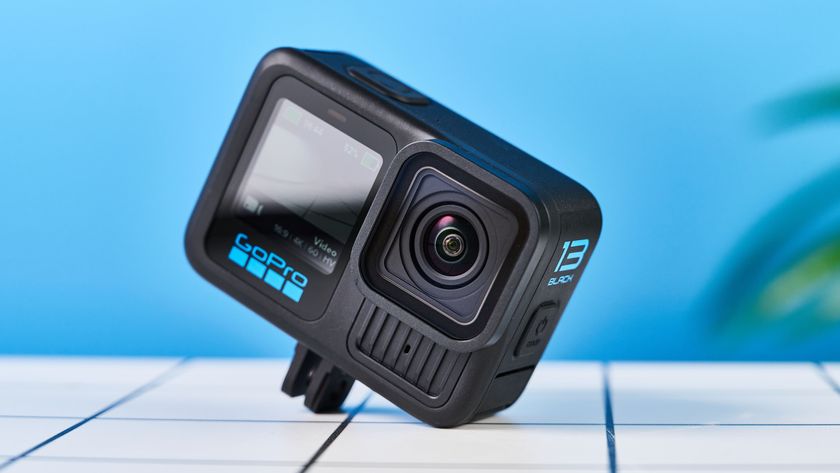
GoPro Hero 13 Black
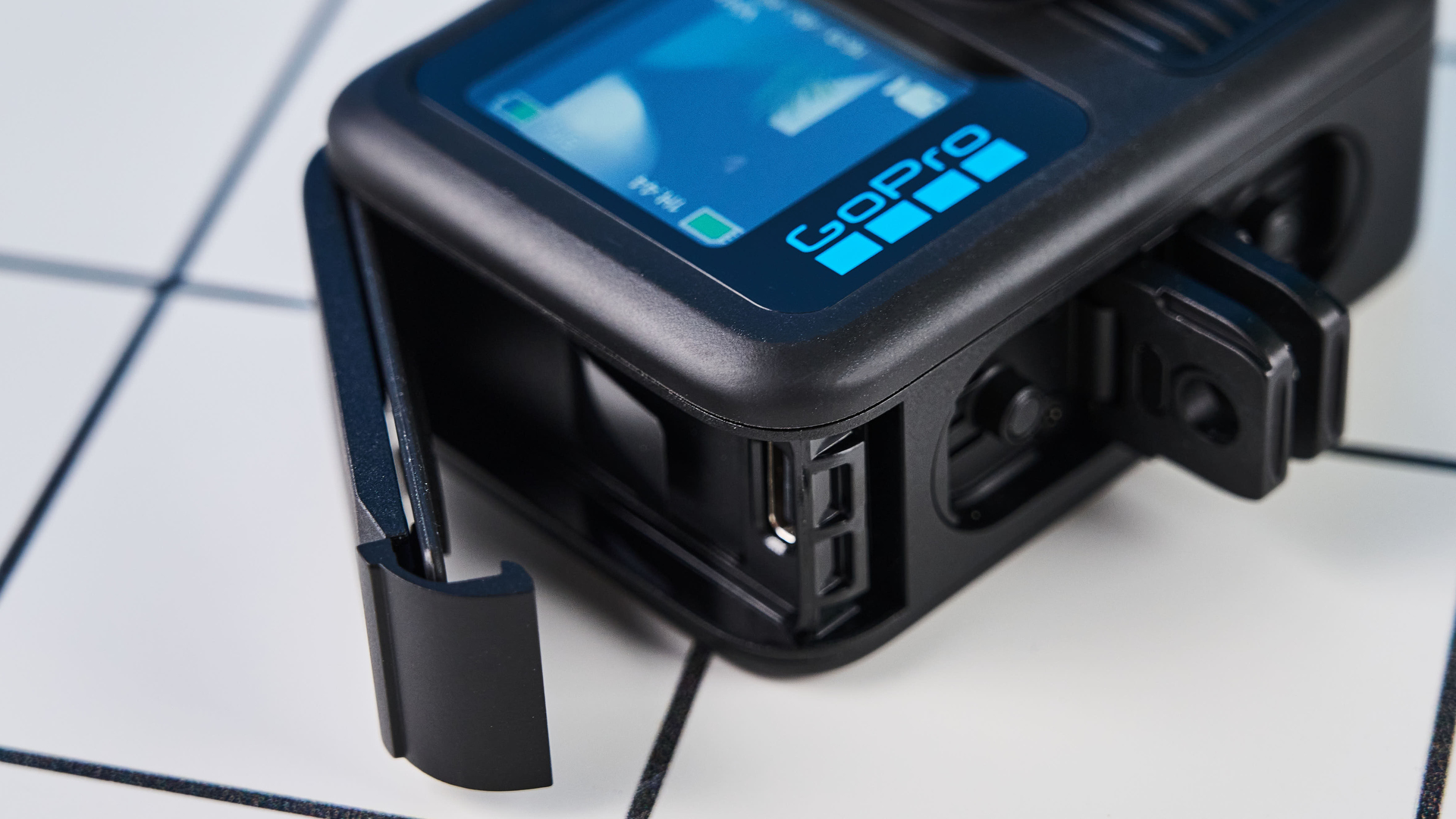
GoPro Hero 13 Black
Pros
- 5.3K@60fps looks stunning
- HyperSmooth 7.0 is the best stabilization yet
- Modular lens system — magnetic swappable lenses
- GPS, altimeter, and accelerometer for data overlays
- Improved low-light performance
Cons
- $400 before accessories
- Battery life: about 70 minutes at 5.3K
- GoPro subscription pressure is annoying
- Overheats during long 5.3K recordings in hot weather
The Hero 13 Black is the safe pick. GoPro has been refining this formula for over a decade, and it shows in the polish. HyperSmooth 7.0 stabilization is eerily good — mountain bike footage looks like it was shot on a gimbal. The modular magnetic lens system is new this year, letting you swap between ultra-wide, standard, and macro lenses without removing the camera from its mount.
5.3K@60fps captures more detail than most people need, but the flexibility in post to crop and reframe is worth it. Battery life at that resolution is about 70 minutes, which is the biggest limitation. I carried three batteries on every ride.
The GoPro subscription situation remains annoying. You get unlimited cloud storage and discounts on accessories, but GoPro pushes it hard through the app and even during initial setup. The camera works fine without it; they just make sure you know what you're "missing."
DJI Osmo Action 5 Pro
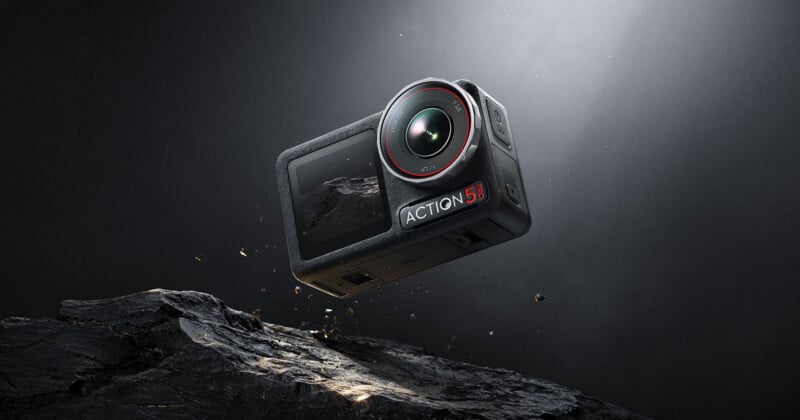
DJI Osmo Action 5 Pro
Pros
- Best battery life: 160 minutes at 1080p
- Waterproof to 66ft without a case
- 4K@120fps for incredible slow motion
- Front-facing screen is perfect for vlogging
- Magnetic quick-release mount system
Cons
- No 5.3K — maxes at 4K
- Color science leans slightly cool
- App is less intuitive than GoPro's
- Lower resolution than GoPro and Insta360
DJI traded resolution for battery life, and for most people, that's the right call. 160 minutes at 1080p — more than double the GoPro — means you can ride, hike, or swim all day on one battery. Waterproof to 66 feet without a case is double what GoPro offers.
4K@120fps slow motion is buttery smooth. I shot mountain biking footage at 120fps and the slowed-down clips looked cinematic. The front-facing color screen makes it the best action camera for vlogging — you can actually see yourself while recording.
At $350, it's $50 cheaper than the GoPro with better battery life and deeper waterproofing. You lose 5.3K resolution and the modular lens system, but most people uploading to YouTube won't notice the difference.
Insta360 Ace Pro 2
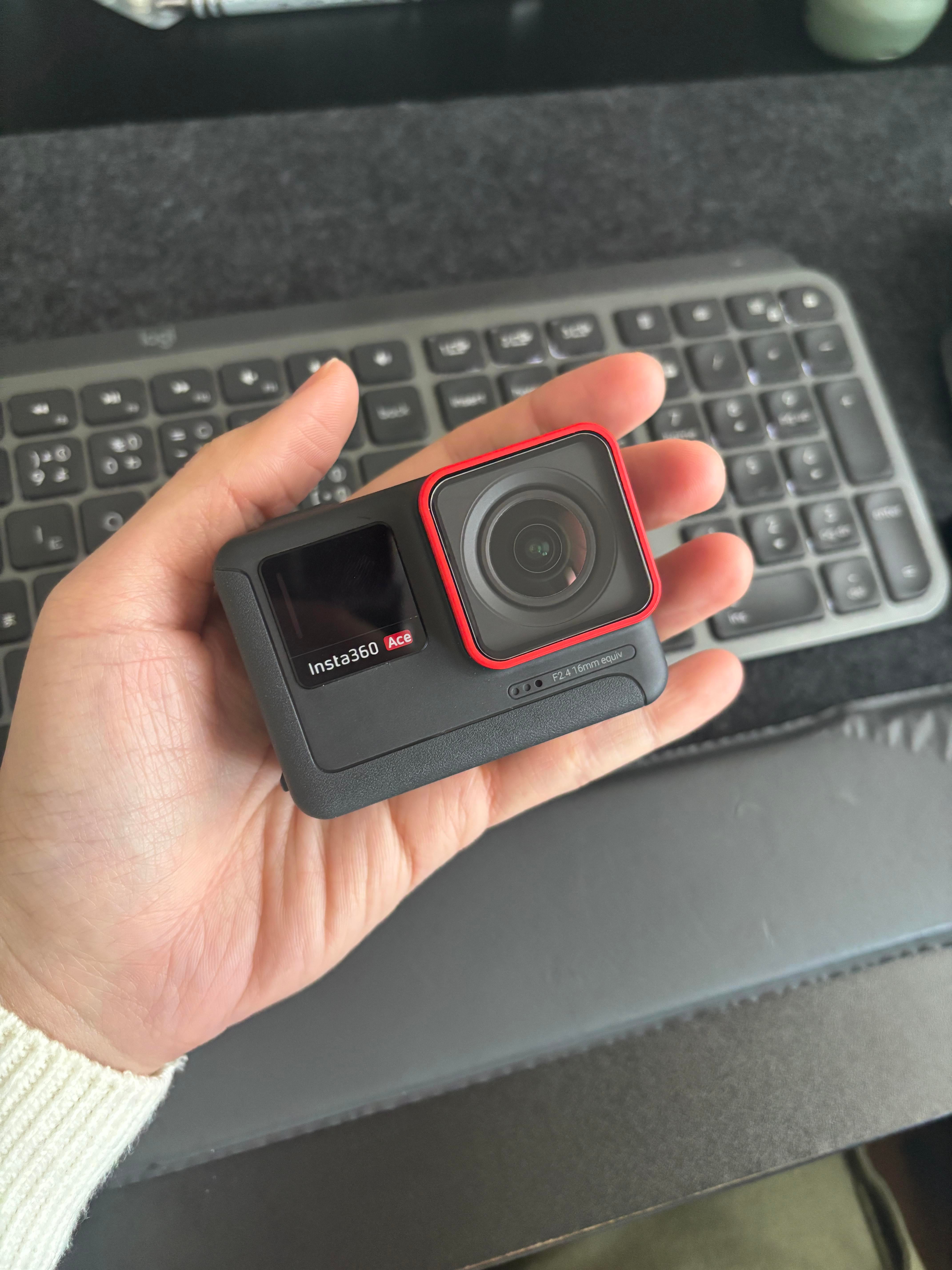
Insta360 Ace Pro 2
Pros
- 8K@30fps — highest resolution in any action camera
- AI-powered subject tracking
- Flip-up screen for vlogging
- Leica-tuned lens for better color science
- Gesture control for remote recording
Cons
- 8K files are massive — needs fast SD cards
- Battery life drops to 50 minutes at 8K
- Heavier than GoPro and DJI
- Overheats faster than competitors at max resolution
The Ace Pro 2 pushes resolution to absurd levels — 8K@30fps from something you clip to a helmet. In practice, 8K is more useful for post-production cropping than actual 8K viewing. You can shoot wide and crop to a tight shot in editing without losing sharpness.
The Leica-tuned lens produces noticeably better color than previous Insta360 cameras. Skin tones look natural, and the dynamic range handles bright skies and shaded trails well. AI subject tracking keeps you centered in the frame even during chaotic movement.
Battery life at 8K is rough — 50 minutes. At 4K you get about 90 minutes, which is still behind DJI. The flip-up screen is a nice touch for vlogging, though it feels fragile compared to DJI's fixed front screen.
Sony FDR-X5000
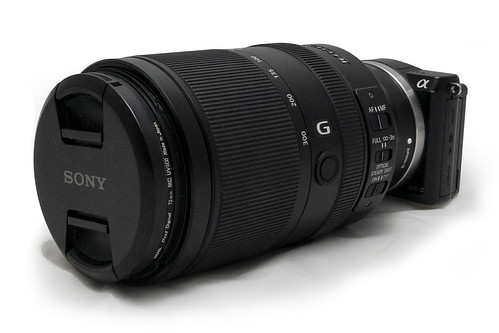
Sony FDR-X5000
Pros
- Sony's optical SteadyShot is genuinely optical — not just digital
- Best low-light performance of any action camera
- 4K@120fps
- Sony ecosystem integration with mirrorless cameras
- Clean HDMI output for live streaming
Cons
- Bullet-shaped design doesn't fit standard GoPro mounts
- App is clunky compared to GoPro and DJI
- No front-facing screen
- Smaller community means fewer accessories
Sony's approach is different: optical stabilization instead of digital. That means no crop to the field of view during stabilization — you get the full wide-angle shot, stabilized by a physical mechanism inside the lens. In practice, it's slightly less smooth than GoPro or DJI's digital solutions but preserves more of the frame.
Low-light performance is where Sony wins decisively. The larger sensor captures usable footage in conditions where GoPro and DJI footage turns to noise. If you shoot at dawn, dusk, or indoors, this matters.
The bullet-shaped design is polarizing. It doesn't fit GoPro mounts without an adapter, and the mounting options are more limited. But if you're already in the Sony ecosystem with an A7 mirrorless, the FDR-X5000 makes a great B-camera.
GoPro Hero 13 Mini
GoPro Hero 13 Mini
Pros
- Tiny and light — 30% smaller than Hero 13 Black
- Same 5.3K sensor as the full-size Hero 13
- Built-in mounting fingers — no case needed
- Simplified two-button interface
- $250 is reasonable
Cons
- No rear screen — phone only for framing
- Shorter battery life: 50 minutes at 5.3K
- No modular lens support
- Limited settings compared to Hero 13 Black
The Mini takes the Hero 13 Black's sensor and squeezes it into a body 30% smaller. No rear screen keeps it compact — you frame shots through your phone or just point and shoot. For helmet-mounted use where size and weight matter, this is the best option.
At $250, it's $150 less than the full Hero 13 while capturing the same quality video. You lose the screen, modular lenses, and some advanced settings, but the footage itself is identical.
What to buy
All-around best: GoPro Hero 13 Black ($400) — the most polished overall package. Best value: DJI Osmo Action 5 Pro ($350) — better battery, deeper waterproofing, $50 less. Resolution obsessed: Insta360 Ace Pro 2 ($400) — 8K is overkill but impressive. Small and light: GoPro Hero 13 Mini ($250) — same quality, smaller package.
As an Amazon Associate, we earn from qualifying purchases. This doesn't affect our recommendations or editorial independence.