GoPro Hero 13 vs DJI Osmo Action 5 Pro
GoPro Hero 13 vs DJI Osmo Action 5 Pro tested side-by-side. See which action camera wins on video quality, stabilization, and battery life.
These two cameras trade punches better than any action camera rivalry we've seen. GoPro leads in resolution and ecosystem. DJI leads in battery life and waterproofing. Both produce footage that's hard to tell apart in a blind test at 4K.
I mounted both cameras to the same helmet, same bike, same conditions, and compared the results frame by frame. Here's what actually separates them.
Specs compared
| Feature | GoPro Hero 13 Black | DJI Osmo Action 5 Pro |
|---|---|---|
| Max Resolution | 5.3K@60fps | 4K@120fps |
| Stabilization | HyperSmooth 7.0 | RockSteady 4.0+ |
| Waterproof | 33ft (10m) | 66ft (20m) |
| Battery Life (1080p) | 95 min | 160 min |
| Front Screen | No (small status only) | Yes (1.4" color) |
| Weight | 154g | 145g |
| Price | $400 | $350 |
Video quality
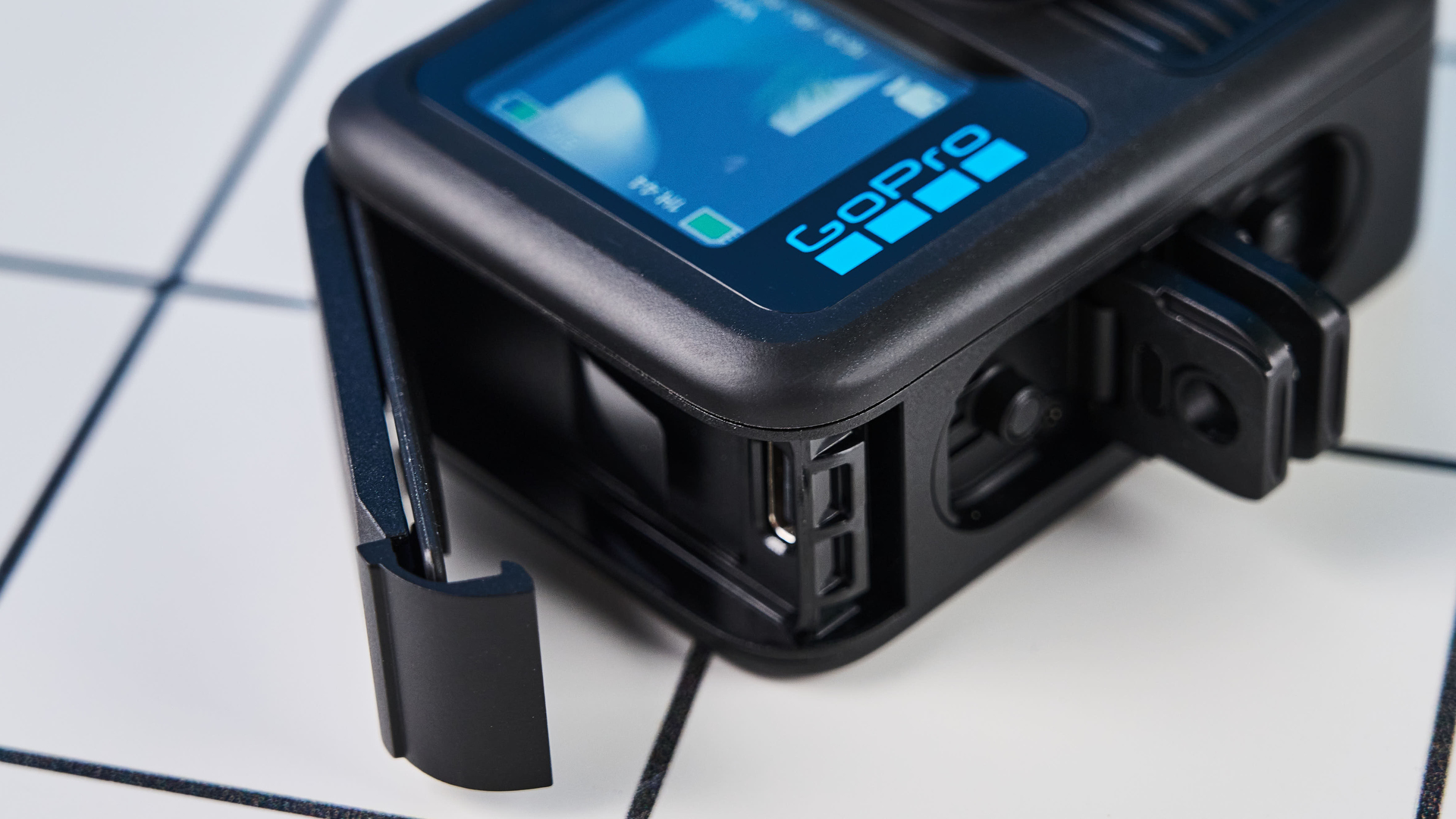
GoPro Hero 13 Black
Pros
- 5.3K resolution captures more detail
- Better dynamic range in high-contrast scenes
- GP-Log flat profile gives more editing flexibility
- Modular magnetic lens system
- Wider ecosystem of accessories
Cons
- Battery life is nearly half the DJI's
- Only waterproof to 33ft
- No front-facing color screen
- $50 more expensive
At 5.3K, the GoPro captures roughly 50% more pixels than DJI's 4K. You can see this in fine details — tree bark, water droplets, distant text on signs. When viewed at 100% crop, the GoPro is sharper. On a phone screen or even a 4K TV at normal viewing distance? The difference is subtle.
GoPro's color science tends warmer and more saturated out of the box, which looks more immediately appealing. DJI's colors are slightly cooler and more neutral. Both offer flat profiles for color grading in post.
Dynamic range is close, but the GoPro handles harsh sun-to-shade transitions slightly better. Mountain biking through a forest with dappled sunlight, the GoPro recovered shadow detail that the DJI clipped.
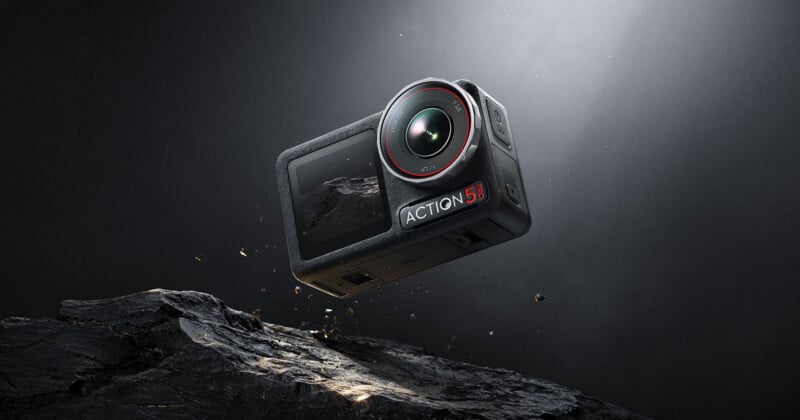
DJI Osmo Action 5 Pro
Pros
- 160-minute battery life at 1080p
- Waterproof to 66ft without a case
- 4K@120fps for better slow motion
- Front-facing color screen
- Magnetic quick-release mount
Cons
- 4K max — no 5.3K option
- Slightly less dynamic range than GoPro
- Color science can look cool/flat without adjustment
- Smaller accessory ecosystem
DJI wins the slow-motion battle with 4K@120fps versus GoPro's 4K@60fps. For action sports where you want dramatic slow-mo — surfing, skiing, skateboarding — that extra 60 frames per second makes a visible difference. At 1080p, DJI pushes to 240fps.
Stabilization
Both are excellent. HyperSmooth 7.0 and RockSteady 4.0+ produce footage that looks gimbal-smooth. In side-by-side mountain bike footage, I genuinely couldn't tell which camera was which when both were set to their maximum stabilization modes.
GoPro's horizon leveling locks to 360 degrees with the optional Max Lens Mod 2.0 ($100 extra). DJI's horizon lock handles about 45 degrees of tilt natively, which covers most real-world scenarios. For truly extreme rotation — barrel rolls, flips — GoPro with the Max Mod wins.
Battery life
This is DJI's biggest advantage. 160 minutes at 1080p versus GoPro's 95 minutes. At 4K, DJI gets about 105 minutes to GoPro's 70. In practice, this means DJI lasts a full half-day adventure on one battery. GoPro needs a swap.
I carried three GoPro batteries on a mountain bike ride and used two. With the DJI, one battery lasted the entire ride with charge to spare. Less time fumbling with batteries means more time shooting.
Build and design
Both are compact and light. DJI is 9g lighter, which doesn't matter in isolation but adds up when helmet-mounted.
DJI's front-facing color screen is a genuine advantage for vlogging and selfie shots — you can frame yourself without guessing. GoPro has a tiny monochrome status screen on the front that shows recording status but not a live preview.
DJI's magnetic quick-release mount snaps on and off instantly. GoPro's standard mounting fingers require a thumbscrew. Small difference, but after the twentieth mount/dismount, DJI's system feels faster.
Waterproofing
DJI wins: 66 feet (20 meters) versus GoPro's 33 feet (10 meters), both without a housing. For snorkeling and shallow diving, DJI gives you double the depth. For surfing and pool use, both are more than adequate.
App and ecosystem
GoPro's Quik app is better for quick edits. Auto-highlight detection, easy trimming, and one-tap sharing to social media. The cloud backup (subscription required) is seamless.
DJI's Mimo app is functional but less polished. Editing tools are there but the interface is clunkier. No cloud backup included.
GoPro's accessory ecosystem is larger — more third-party mounts, cases, and add-ons. DJI's selection is growing but still trails.
Price
DJI: $350. GoPro: $400. A $50 gap that narrows or widens depending on your accessory needs. DJI includes a protective frame; GoPro's equivalent accessories add to the cost.
Who wins?
Get the GoPro Hero 13 Black if: You want the highest resolution, you shoot in challenging lighting conditions, or you need the widest accessory selection. The modular lens system is unique and genuinely useful.
Get the DJI Osmo Action 5 Pro if: Battery life matters most, you need deeper waterproofing, you want a front screen for vlogging, or you want to save $50. For most people doing most things, the DJI offers better practical value.
My personal camera: the DJI. Battery life is the number one quality-of-life improvement in an action camera, and 160 minutes versus 95 minutes is a gap I feel on every outing.
As an Amazon Associate, we earn from qualifying purchases. This doesn't affect our recommendations or editorial independence.