Best Power Banks 2026
We tested the top power banks for phones, laptops, and everything in between. From tiny 5,000mAh chargers to 100W laptop-charging beasts.
I travel with too many devices. Phone, earbuds, tablet, sometimes a laptop — and they all need charging. Over the past few months I've rotated through a dozen power banks to find the ones that actually deliver on their promises. Spoiler: the number on the box rarely matches what you get in practice.
Quick comparison
| Power Bank | Capacity | Max Output | Weight | Price |
|---|---|---|---|---|
| Anker Prime 20,000 | 20,000mAh | 200W | 500g | $100 |
| UGREEN 25,000mAh 200W | 25,000mAh | 200W | 560g | $80 |
| Baseus Blade 2 | 12,000mAh | 140W | 350g | $60 |
| Anker Nano 5,000 | 5,000mAh | 22.5W | 105g | $16 |
| Shargeek Storm 2 | 25,600mAh | 100W | 580g | $90 |
Anker Prime 20,000mAh
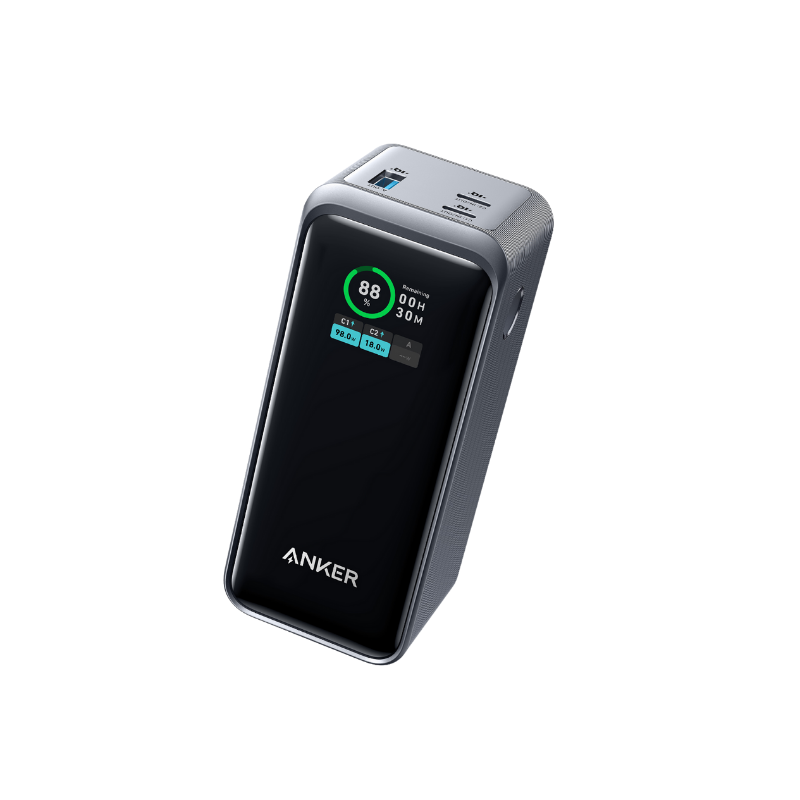
Anker Prime 20,000mAh Power Bank
Pros
- 200W total output charges laptops fast
- Built-in display shows watts, time remaining, and temperature
- Two USB-C + one USB-A port
- Charges itself at 100W
- Compact for the capacity
Cons
- $100 is steep for a power bank
- Heavy at 500g
- Gets warm under sustained 200W output
- Anker app required for firmware updates
The Anker Prime is my daily carry. 200W output means it can charge a MacBook Air at full speed while simultaneously topping off my phone. The built-in display is genuinely useful — it shows real-time wattage, estimated time remaining, and battery temperature, so you're never guessing.
20,000mAh gives me about 4 full iPhone charges or one full MacBook Air charge with some left over. Recharging the bank itself at 100W takes about 45 minutes from empty, which is fast enough that I can top it off during lunch.
The form factor is surprisingly compact — roughly the size of a deck of cards, but denser. 500g is noticeable in a pocket but fine in a bag. Build quality is premium; the aluminum shell feels like it can take a beating.
UGREEN 25,000mAh 200W
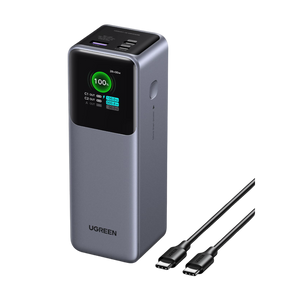
UGREEN 25,000mAh 200W Power Bank
Pros
- 25,000mAh — more capacity than the Anker for less money
- 200W output matches premium options
- Digital display with useful info
- Three USB-C ports
- Airline-approved at 90Wh
Cons
- Larger and heavier than Anker Prime
- Display is less readable in sunlight
- Charges slightly slower than advertised in cold weather
- Brand less established than Anker
UGREEN has been quietly making great charging products, and this power bank is their best yet. 25,000mAh at $80 undercuts the Anker Prime by $20 while offering 25% more capacity. Output matches at 200W, and I measured comparable charging speeds across all my devices.
The trade-off is size. It's noticeably larger and heavier than the Anker, and the digital display isn't as crisp. But if you're choosing between these two based on specs alone, UGREEN wins on value. The three USB-C ports (no USB-A) are a modern choice that I appreciate.
Baseus Blade 2
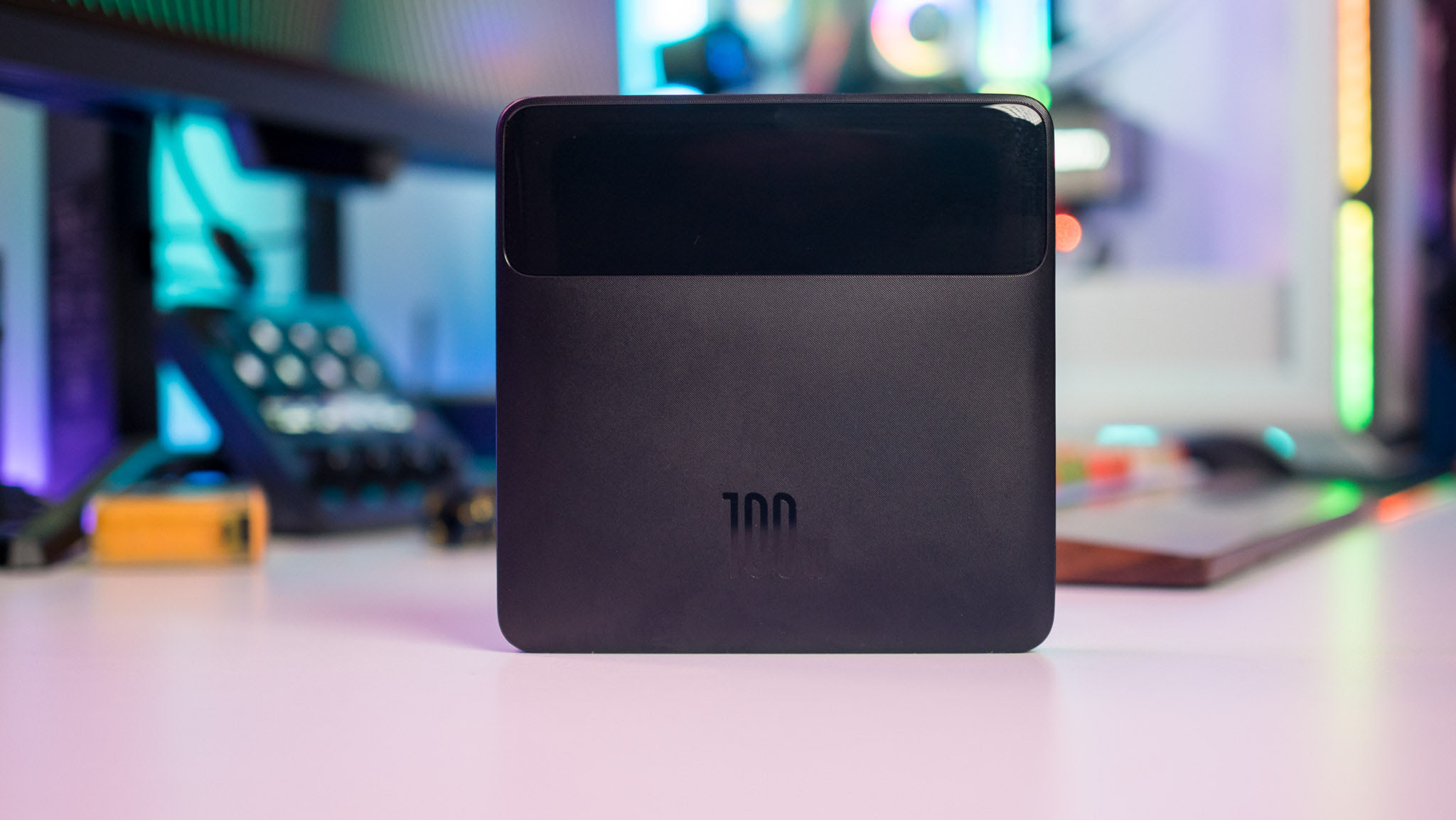
Baseus Blade 2 12,000mAh
Pros
- Ultra-thin design — fits in a laptop sleeve
- 140W output charges most laptops
- Looks good — matte black aluminum
- Two USB-C + one USB-A
- Great balance of size and power
Cons
- 12,000mAh won't fully charge a laptop
- Gets warm during high-output charging
- Display is small and hard to read
- 140W only through one specific port
The Blade 2 is for people who hate carrying bulky power banks. It's shaped like a thin rectangle — roughly the dimensions of a small tablet — and slides into a laptop sleeve without adding noticeable bulk. 12,000mAh is enough for about 2.5 phone charges or a partial laptop top-up.
140W output through the primary USB-C port is enough to charge most thin laptops at a reasonable speed. I used it to keep my MacBook Air alive during a 4-hour flight, getting about 60% charge from the bank before it died. Not a full charge, but enough to finish my work.
Anker Nano 5,000mAh
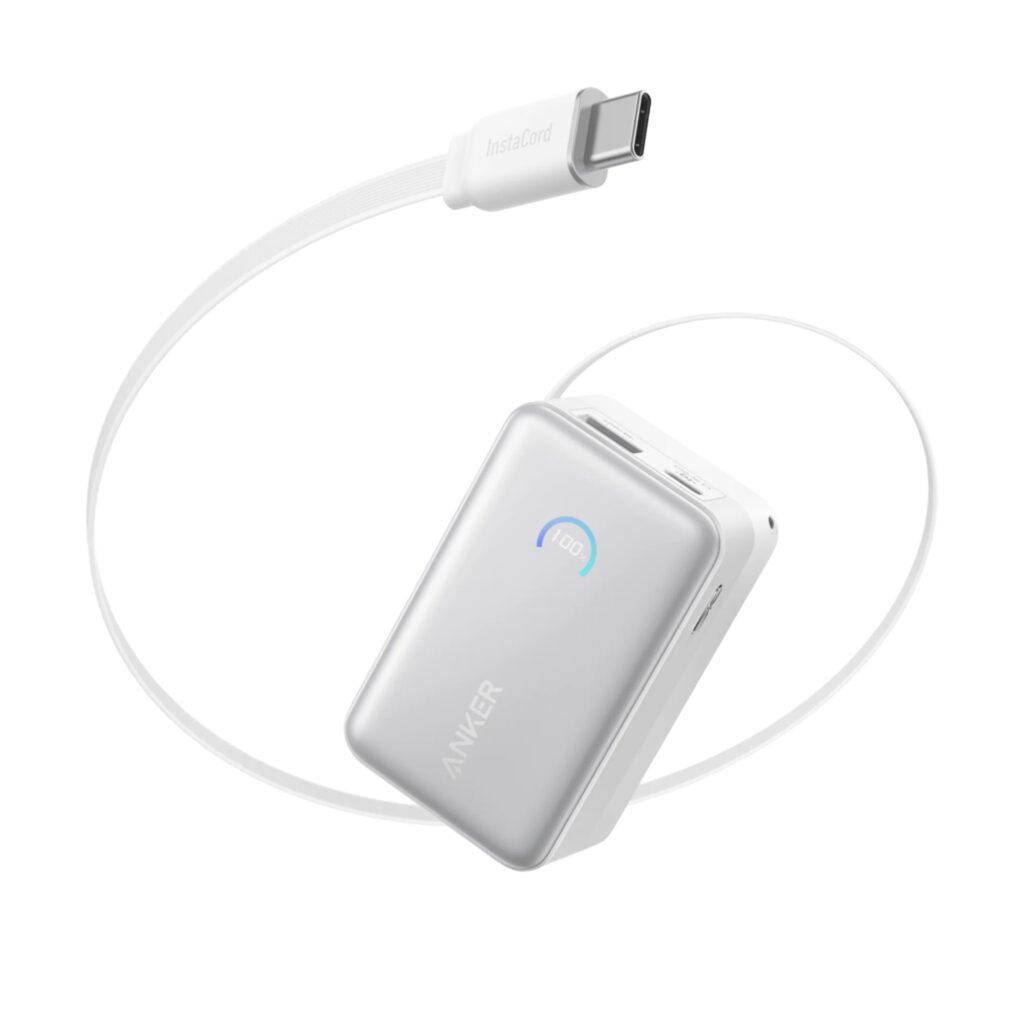
Anker Nano Power Bank 5,000mAh
Pros
- $16 — basically an impulse buy
- Built-in USB-C connector — no cable needed
- 105g — lighter than most phones
- Fits in any pocket
- One full phone charge
Cons
- Only 5,000mAh — one phone charge max
- 22.5W max output is slow by 2026 standards
- Built-in connector means no cable flexibility
- No display
This tiny thing has lived on my keychain for months. The built-in USB-C connector folds out and plugs directly into your phone — no cable needed. It's about the size of a lipstick tube and adds one full charge to an iPhone or roughly 80% to a Samsung flagship.
At $16, there's no reason not to own one. Toss it in your bag for emergencies. It won't charge your laptop, it won't fast-charge anything, but it'll keep your phone alive when you need it.
Shargeek Storm 2
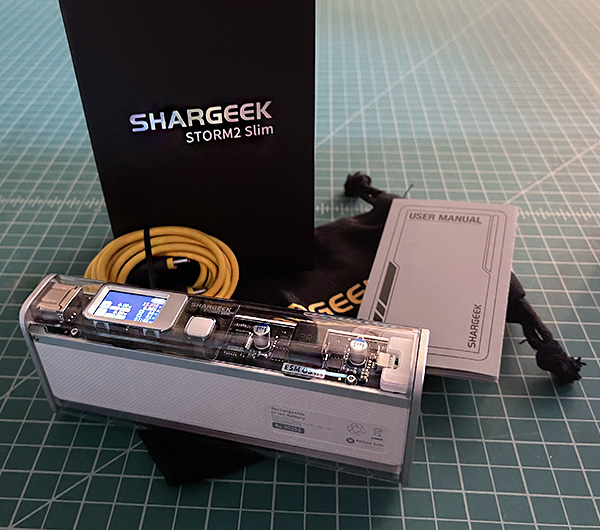
Shargeek Storm 2 25,600mAh
Pros
- Transparent case shows internal components
- Detailed IPS display with per-port monitoring
- 25,600mAh capacity
- 100W output
- Conversation starter — it looks cool
Cons
- Heavier than similar-capacity options
- 100W max is lower than Anker/UGREEN
- The see-through design attracts fingerprints
- Not airline-friendly (94.5Wh is right at the limit)
The Storm 2 is the power bank for people who appreciate seeing how things work. The transparent case reveals the internal battery cells and circuitry, and the full-color IPS display shows individual port wattage, voltage, current, and temperature. It's nerdy and I love it.
Performance is solid if not exceptional. 100W output charges laptops at a moderate pace, and 25,600mAh gives you ample capacity. It's at 94.5Wh, which technically squeezes under the 100Wh airline limit, but I'd bring documentation just in case a gate agent questions it.
Buying tips
Match wattage to your devices. Check what wattage your laptop charger uses. If your laptop needs 67W, a 30W power bank won't cut it — the laptop will drain faster than it charges.
Real capacity vs rated capacity. A 20,000mAh bank delivers roughly 12,000-13,000mAh of usable charge due to voltage conversion losses. Plan accordingly.
Airline limits. Anything under 100Wh (roughly 27,000mAh) can fly in carry-on. Over 100Wh requires airline approval. Over 160Wh can't fly at all.
USB-C PD is non-negotiable. Any power bank you buy in 2026 should support USB Power Delivery. Skip anything that only offers USB-A output.
My picks
Phone-only charging: Anker Nano ($16). Laptop + phone: Anker Prime ($100) or the UGREEN ($80) if you want more capacity for less. Slim travel: Baseus Blade 2 ($60).
As an Amazon Associate, we earn from qualifying purchases. This doesn't affect our recommendations or editorial independence.