Best Smart Home Hubs 2026
Top smart home hubs for 2026 tested for Matter compatibility, automation reliability, and device support from Apple, Amazon, and Google.
Smart home hubs used to be a mess. You needed a Zigbee bridge for your lights, a Z-Wave stick for your locks, and three different apps to control everything. Matter has improved things, but the hub you pick still determines what works seamlessly and what requires workarounds.
I've been running four different hubs simultaneously in my house for the past two months, testing device compatibility, automation reliability, and how often things just stop working for no reason. Here's what I found.
Quick comparison
| Hub | Protocols | Voice Assistant | Thread Border Router | Price |
|---|---|---|---|---|
| Apple HomePod mini | Matter, Thread, HomeKit | Siri | Yes | $100 |
| Amazon Echo Hub | Matter, Zigbee, Thread | Alexa | Yes | $150 |
| Google Nest Hub Max 2 | Matter, Thread | Google Assistant | Yes | $230 |
| Samsung SmartThings Station | Matter, Zigbee, Z-Wave, Thread | Bixby/Alexa/Google | Yes | $60 |
| Aeotec Smart Home Hub | Zigbee, Z-Wave, Matter | Works with all | Yes | $100 |
Apple HomePod mini
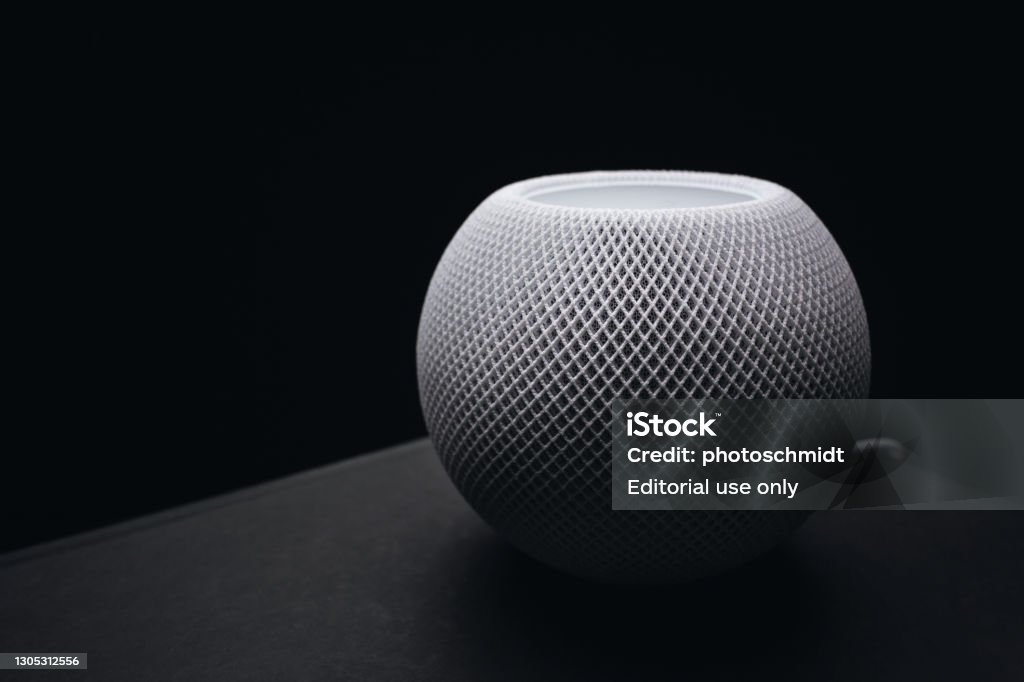
Apple HomePod mini
Pros
- Best integration with Apple ecosystem
- Thread border router built in
- Matter support works well
- Good sound quality for its size
- Privacy-focused — processing happens on-device
Cons
- Siri is still behind Alexa and Google for smart home control
- Limited to HomeKit/Matter devices
- No display
- Can't directly control Zigbee or Z-Wave
If your household runs on iPhones and iPads, the HomePod mini is the obvious choice. HomeKit automations are reliable, Thread support means compatible devices respond quickly, and Matter compatibility keeps expanding the device library. I've been using two HomePod minis as Thread border routers, and my Eve and Nanoleaf devices have been more responsive than ever.
Siri remains the weakest voice assistant for smart home control. Complex commands like "turn off all the lights except the bedroom" sometimes work, sometimes don't. Basic stuff — turning lights on/off, checking sensors, running scenes — works fine.
Amazon Echo Hub
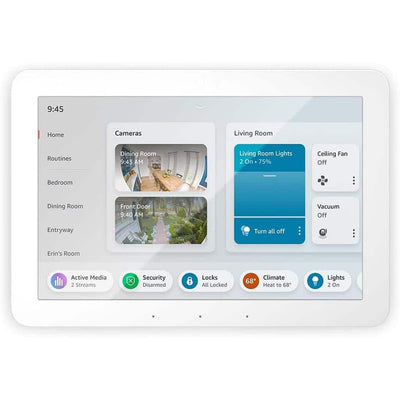
Amazon Echo Hub
Pros
- 8-inch touchscreen for visual control
- Built-in Zigbee hub — no extra bridges needed
- Alexa routines are the most powerful automations
- Widest device compatibility of any hub
- Wall-mountable design
Cons
- Amazon's ecosystem is ad-heavy
- Privacy concerns with always-on microphone
- Matter support still has rough edges
- Zigbee range can be limited
The Echo Hub is the pragmatic choice. Built-in Zigbee means you can connect hundreds of devices without extra bridges. Alexa's Routines are the most flexible automation system available — multi-step, conditional, time-based, triggered by sensors or voice. If you want a smart home that does complex things automatically, Alexa makes it the easiest.
The wall-mountable touchscreen turns it into a control panel, which my family actually uses. Tapping a light icon is easier than yelling "Alexa, turn on the kitchen lights" for most people. The downside is Amazon's aggressive push to sell you things through the interface.
Google Nest Hub Max 2
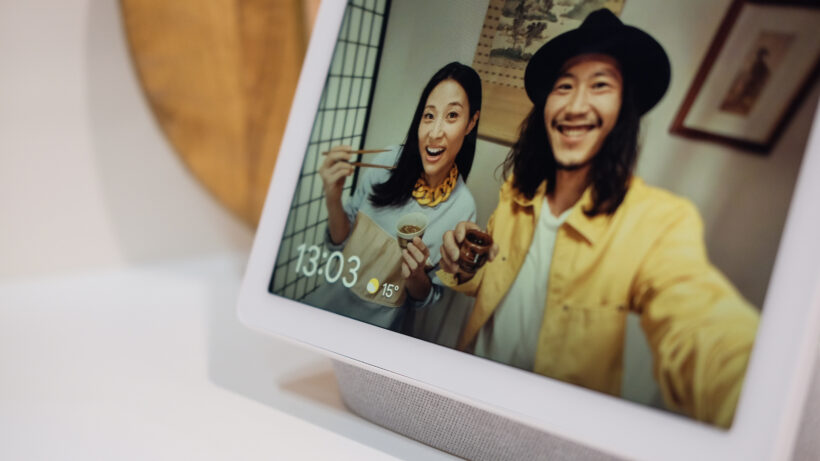
Google Nest Hub Max 2
Pros
- 10-inch display doubles as a photo frame and video call screen
- Google Assistant understands natural language best
- Built-in Nest camera with face recognition
- Strong Matter and Thread support
- YouTube and Netflix built in
Cons
- $230 is expensive for a hub
- Google regularly kills smart home features
- No Zigbee or Z-Wave support
- Requires Google/Nest ecosystem buy-in
Google Assistant understands what you mean better than Alexa or Siri. "Hey Google, make the living room cozy" — and it dims the lights, turns on the lamp, and starts playing ambient music. That contextual understanding is genuinely useful for smart home control.
The built-in Nest camera means the Hub doubles as an indoor security camera, which saves you buying a separate device. Face recognition can personalize responses based on who's in the room.
My concern with Google is reliability. They've discontinued smart home products and features before (Nest Secure, Works with Nest), which makes me nervous about long-term investment.
Samsung SmartThings Station
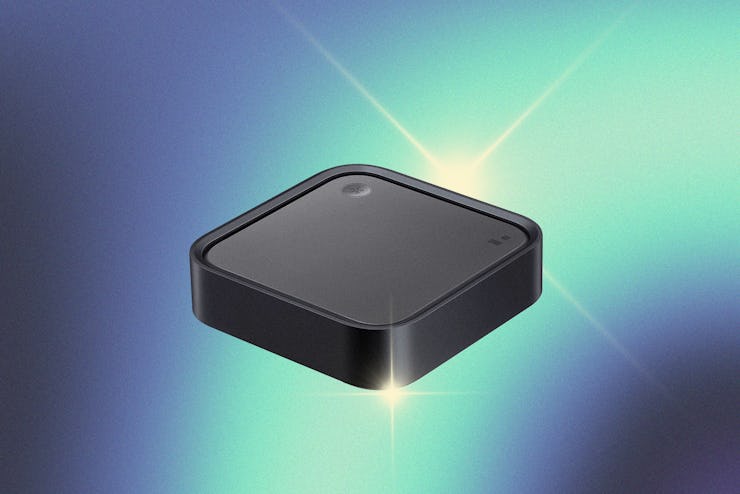
Samsung SmartThings Station
Pros
- $60 — cheapest hub with the widest protocol support
- Zigbee, Z-Wave, Matter, and Thread all built in
- Works with Alexa, Google, and Bixby
- Doubles as a wireless phone charger
- Compact puck design
Cons
- SmartThings app can be confusing
- Automations occasionally fail to trigger
- Samsung's smart home ecosystem is fragmented
- No display or speaker
At $60, the SmartThings Station packs the widest protocol support of any hub here. Zigbee, Z-Wave, Matter, and Thread all in one puck that also charges your phone wirelessly. If you have a mix of older Zigbee devices and newer Matter ones, this bridges both worlds.
SmartThings automations are powerful but the app is harder to navigate than Alexa or HomeKit. I've had automations randomly stop working and require re-creation. It's gotten better over the past year, but reliability still trails the more polished options.
Aeotec Smart Home Hub
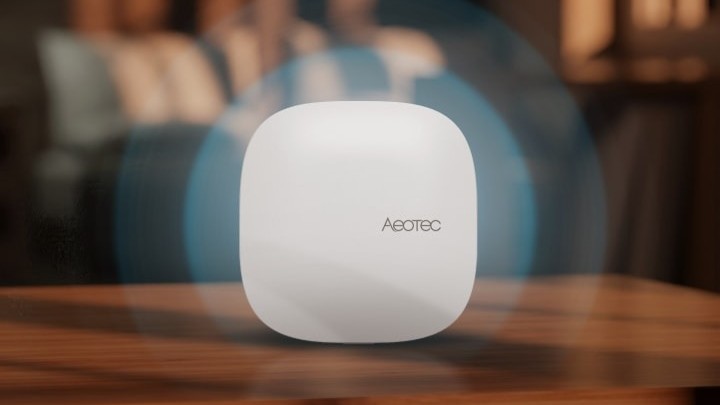
Aeotec Smart Home Hub (SmartThings)
Pros
- Supports Zigbee, Z-Wave Plus, and Matter
- Works with SmartThings platform
- Dedicated hub without the phone charger compromise
- Strong Z-Wave range
- Compatible with all three major assistants
Cons
- Depends on SmartThings cloud — local processing is limited
- Setup process is clunky
- No Thread border router yet
- No built-in speaker or display
The Aeotec hub is for people with existing Z-Wave installations who need a bridge to modern Matter devices. Z-Wave Plus support means better range than the SmartThings Station, and the dedicated form factor means it sits quietly in a closet doing its job.
It runs on Samsung's SmartThings platform, which means the same app and automation limitations apply. The lack of Thread border router capability is a gap that should be addressed in a future update, but for now, you'll need a separate Thread device if you have Thread accessories.
Matter in 2026: where are we?
Matter has gotten better but isn't the universal standard we were promised. Most new devices support it, but setup can still be finicky. Cross-platform compatibility works but sometimes with reduced features — a Matter light might work with HomeKit but lose its advanced color scenes that only work in the manufacturer's app.
My advice: pick the ecosystem that matches your phone (Apple = HomeKit, Android = Google or Alexa) and use Matter as a bonus for cross-compatibility, not as your primary strategy.
What I'd buy
iPhone household: HomePod mini ($100). Maximum compatibility: Amazon Echo Hub ($150). Budget: SmartThings Station ($60). The right hub depends more on your phone and voice assistant preference than any technical spec.
As an Amazon Associate, we earn from qualifying purchases. This doesn't affect our recommendations or editorial independence.