iPad Pro M4 vs Samsung Galaxy Tab S10 Ultra
iPad Pro M4 vs Galaxy Tab S10 Ultra compared after weeks of testing. Find out which premium tablet delivers better value in 2026.
These two tablets represent the best each platform has to offer, and they take completely different approaches to the same problem. The iPad Pro M4 is thinner than a pencil and runs on a laptop-class chip. The Galaxy Tab S10 Ultra has a 14.6-inch screen that dwarfs most laptops. Both cost over $1,000 when you add accessories.
I used each as my primary tablet for two weeks. Here's where they actually differ.
Specs at a glance
| Spec | iPad Pro M4 (13-inch) | Galaxy Tab S10 Ultra |
|---|---|---|
| Display | 13" Ultra Retina XDR OLED | 14.6" Dynamic AMOLED 2X |
| Chip | Apple M4 | Snapdragon 8 Gen 3 for Galaxy |
| RAM | 16GB | 12GB-16GB |
| Storage | 256GB-2TB | 256GB-1TB |
| Stylus | Apple Pencil Pro ($129) | S Pen (included) |
| Weight | 682g | 718g |
| Starting Price | $1,099 | $1,200 |
Display
Both screens are OLED, both are gorgeous. But they're different sizes and that changes how you use them.
The iPad Pro's 13-inch Ultra Retina XDR panel is one of the best screens I've ever used on any device. The tandem OLED technology pushes peak brightness to 1,600 nits for HDR content, and the anti-reflective coating (Apple calls it "nano-texture" on the upgrade) actually works in bright environments. Color accuracy is reference-grade — I could edit photos on this and trust the colors.
Samsung's 14.6-inch screen is physically larger, and that extra 1.6 inches matters more than you'd expect. Split-screen multitasking with two full-size apps feels natural in a way that 13 inches doesn't quite manage. The Dynamic AMOLED 2X panel hits 120Hz and looks stunning, though peak brightness doesn't quite match Apple's implementation.
If you're doing creative work where color accuracy matters, the iPad Pro wins. If screen real estate for productivity is the priority, the Tab S10 Ultra's size advantage is real.
Performance
Apple iPad Pro M4 (13-inch)
Pros
- M4 chip outperforms every other tablet by a wide margin
- Tandem OLED display with 1,600 nit HDR
- Thinnest Apple product ever — 5.1mm
- Thunderbolt/USB4 port
- Face ID works in any orientation
Cons
- $1,099 before accessories
- iPadOS limits what the M4 chip can do
- 256GB base with no microSD
- Apple Pencil Pro is $129 extra
The M4 chip in the iPad Pro is, frankly, overkill. It's faster than most laptops. Video rendering in LumaFusion, 3D modeling in Nomad Sculpt, running multiple Logic Pro tracks — nothing I threw at it caused a stutter. The eight-core GPU handles graphically intensive tasks that would make the Tab S10 Ultra struggle.
But here's the frustration: iPadOS doesn't let you fully use that power. You can't run desktop applications. File management is still clunky. Stage Manager multitasking works but feels like Apple is holding back. The hardware is laptop-class; the software isn't.
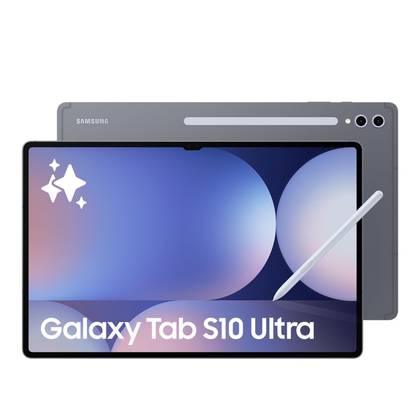
Samsung Galaxy Tab S10 Ultra
Pros
- 14.6-inch screen is unmatched for multitasking
- S Pen included — no extra purchase
- DeX mode is a genuine desktop replacement
- MicroSD expansion up to 1TB
- Samsung Notes with AI features
Cons
- $1,200 starting price
- Snapdragon 8 Gen 3 can't match M4 in sustained tasks
- 718g is heavy for a tablet
- Some Android apps still aren't optimized for tablets
The Snapdragon 8 Gen 3 in the Tab S10 Ultra is fast for an Android tablet, but it can't keep up with the M4 in sustained workloads. Export a long 4K video, and the iPad finishes in half the time. For everyday tasks — browsing, note-taking, streaming, document editing — you won't notice a performance difference.
Where Samsung wins is software flexibility. DeX mode gives you a full desktop interface with resizable windows, a taskbar, and proper file management. Connect a keyboard and mouse and it genuinely feels like working on a computer. iPadOS Stage Manager tries to do this but remains more restrictive.
Stylus experience
The S Pen comes in the box and magnetically attaches to the back of the tablet for charging. It's responsive, the latency is low, and Samsung Notes is a capable app. Pressure sensitivity and tilt detection work well for drawing and handwriting.
Apple Pencil Pro costs $129 extra but is the better stylus. Haptic feedback gives you a physical click when switching tools. The squeeze gesture for changing modes is intuitive. Hover detection previews your strokes before you touch the screen. And the Apple Pencil simply feels more precise — the gap between input and screen response is smaller.
If the cost of the stylus is a factor, Samsung wins by default. If writing feel matters most, Apple Pencil Pro is the gold standard.
Software and ecosystem
iPadOS has better tablet-optimized apps. Full stop. From Procreate to LumaFusion to GoodNotes, the best tablet apps are either iPad-exclusive or significantly better on iPad. The trade-off is that iPadOS itself is limiting — no real file system, restricted multitasking, and no sideloading without jumping through hoops.
Android on the Tab S10 Ultra gives you more freedom. Install any APK, use a proper file manager, run apps in floating windows, connect to external displays with desktop-mode output. Samsung's One UI adds features that stock Android doesn't have, and Galaxy AI in Samsung Notes can summarize, translate, and organize your handwritten notes automatically.
The app gap is closing but hasn't closed. Some Android apps still look like blown-up phone apps on a 14.6-inch screen. Instagram, Snapchat, and several banking apps look rough. It's better than it was two years ago, but it's still behind iPadOS.
Battery and charging
Both tablets last about 10-12 hours in mixed use. The iPad Pro is slightly more efficient thanks to the M4 chip's power optimization, but we're talking 30-60 minutes difference in a full day.
The Tab S10 Ultra charges faster. Samsung's 45W charging gets you to 50% in about 30 minutes. The iPad Pro tops out at around 30W with a USB-C PD charger, taking closer to 40 minutes for the same charge.
Accessories and total cost
This is where things get eye-opening:
iPad Pro total: $1,099 (tablet) + $129 (Pencil Pro) + $349 (Magic Keyboard) = $1,577
Tab S10 Ultra total: $1,200 (tablet with S Pen) + $350 (Book Cover Keyboard) = $1,550
Nearly identical total cost, but Samsung includes the stylus. The Magic Keyboard is a better keyboard than Samsung's Book Cover, though — the trackpad and typing feel are superior.
Who should buy which
Get the iPad Pro M4 if:
- You do creative work (art, video editing, music production)
- App quality matters more than flexibility
- You want the best stylus experience (and don't mind paying for it)
- You're already in the Apple ecosystem
Get the Galaxy Tab S10 Ultra if:
- Screen size is a priority
- You want a tablet that works more like a laptop (DeX mode)
- You prefer Android's flexibility and file management
- The included S Pen matters to your budget
Neither of these is a bad choice. They're both excellent tablets held back slightly by their operating systems in different ways. The iPad Pro has better hardware and apps but limiting software. The Tab S10 Ultra has more capable software but weaker app optimization.
My personal pick: the iPad Pro, but only because I use it primarily for drawing and note-taking where the Pencil Pro is unmatched. If I needed a laptop replacement, I'd lean Samsung for DeX mode.
As an Amazon Associate, we earn from qualifying purchases. This doesn't affect our recommendations or editorial independence.